Back

Progressive vs static forms

Form Layout test

A portrait of you.

Context:

A little paragraph introduction that gives a sense of what you do, who you are, where you’re from, and why you created this website. This is the most likely part of the page to be read in full.

Experiment Setup

The experiment was triggered when users landed on the Passenger Details page and were randomly assigned to either a control or variant experience.

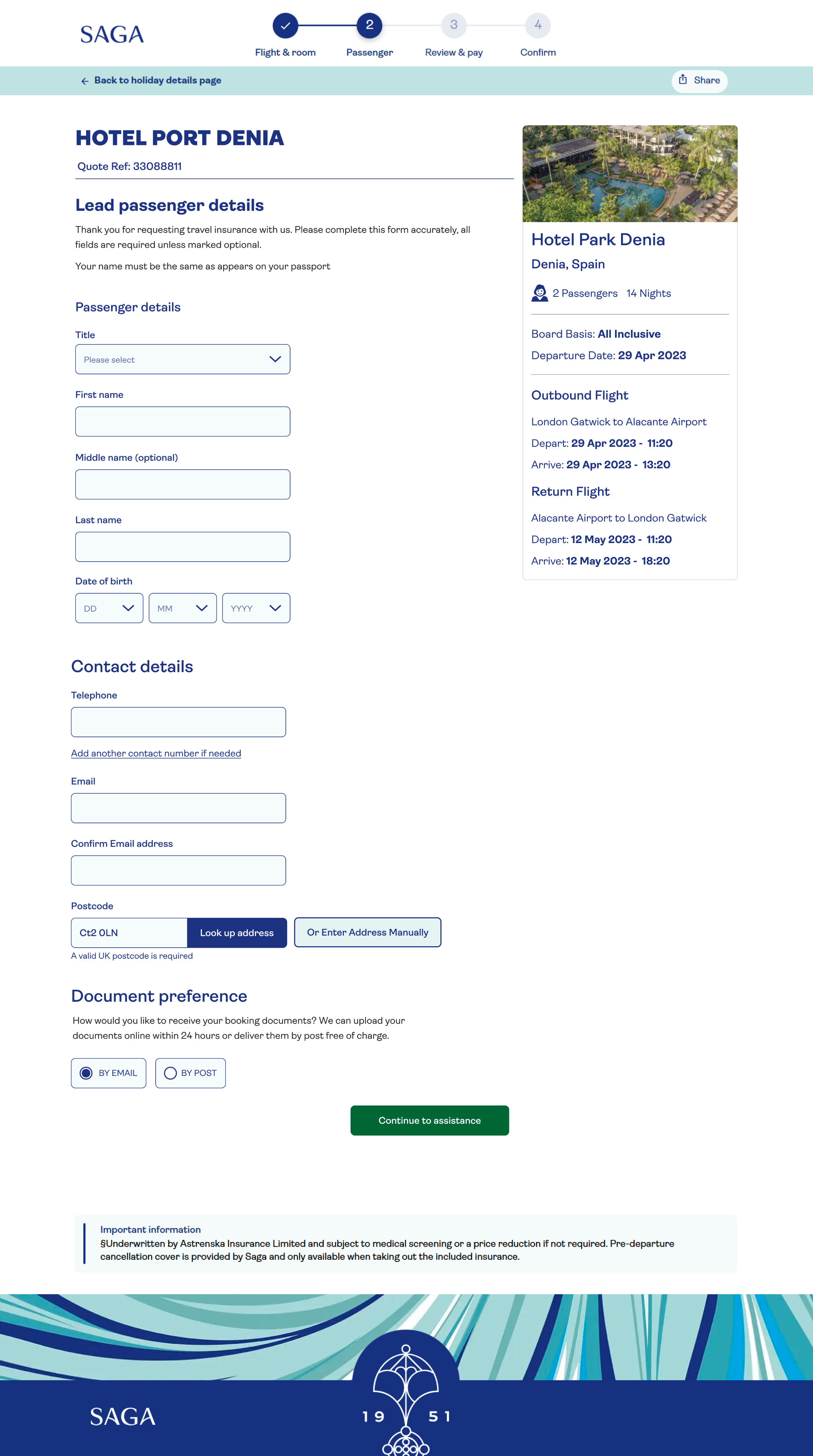
00 Control

All form fields were displayed at once on page load.

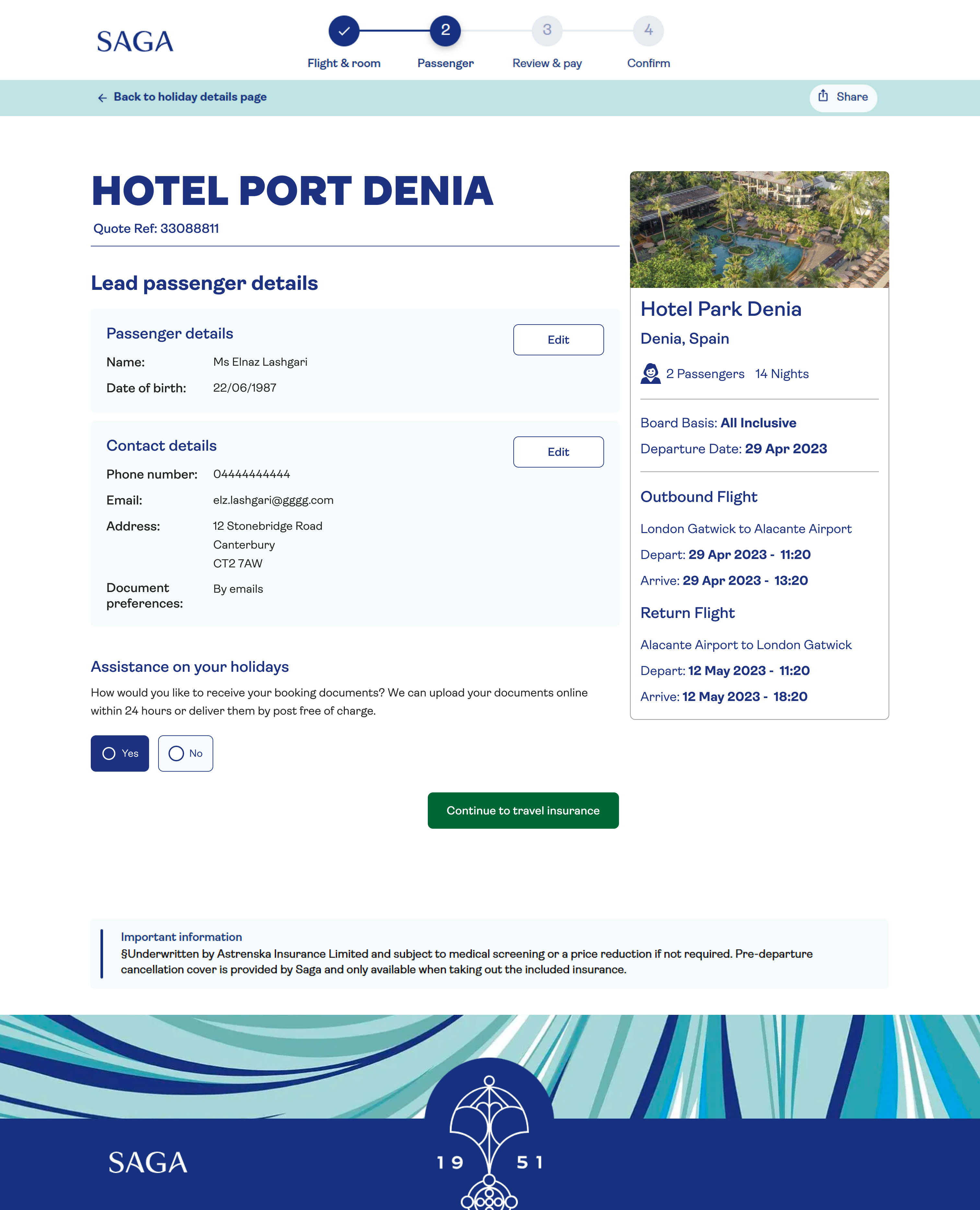
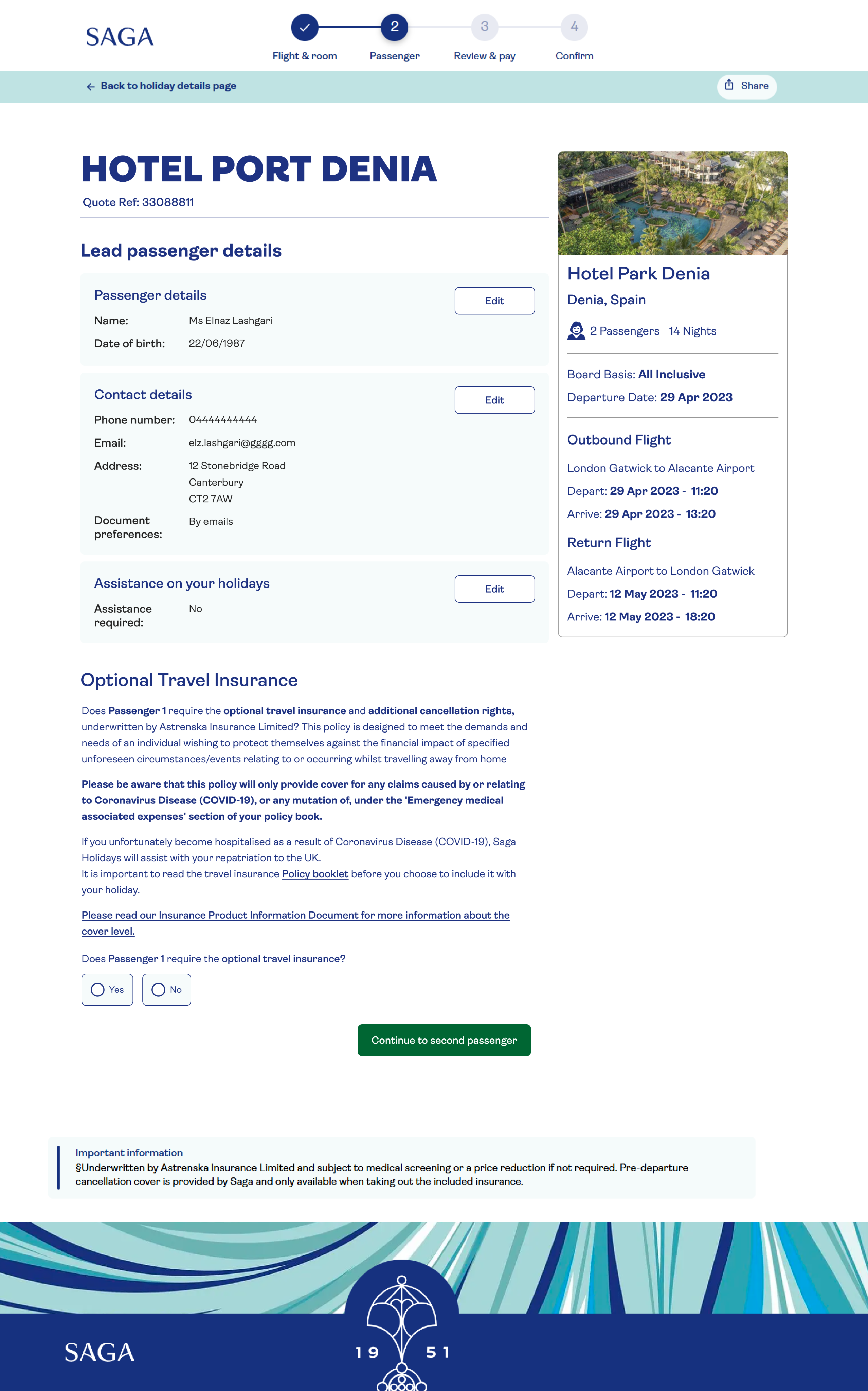
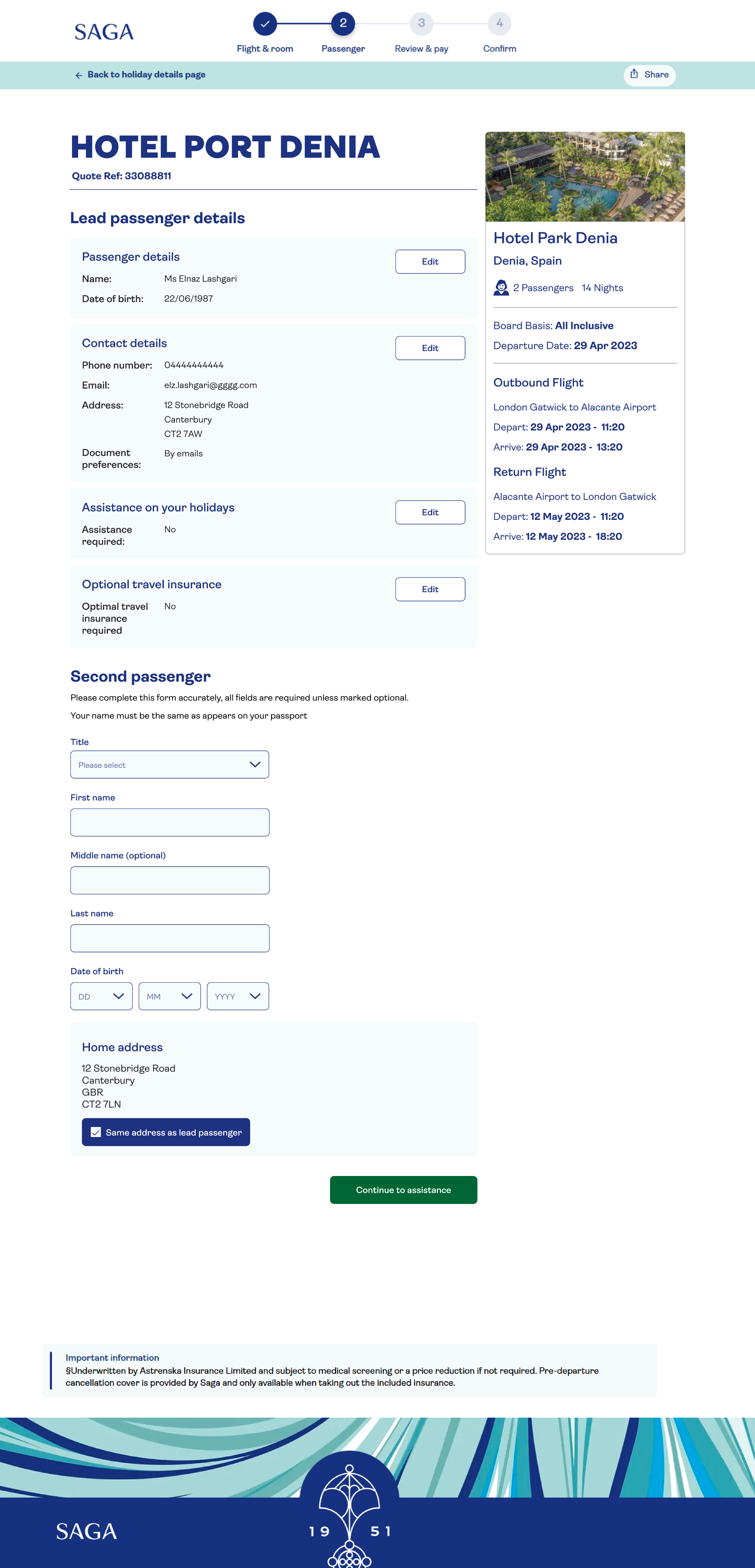
01 Variant

All form fields were displayed at once on page load.

  • Passenger Details
  • Assistance on Holiday
  • Travel Insurance

Hypothesis

Introducing progressive fields will increase Passenger Details completion, leading to higher progression to payment and improved revenue.

Reducing cognitive load by breaking the form into manageable sections will encourage users to complete the step and continue through the booking flow.

Quality Assurance

All tracking, layouts, and interactions were validated prior to launch.

Duration: Jan 08, 2026 – Feb 08, 2026

Page Tested: Passenger Details

Variants:

Control: Single-page form

Variant: Progressive form layout

Measures of Success

  • Passenger Details completion rate
  • Overall conversion rate by variant

Results & Outcome

The experiment did not reach statistical significance.

While the progressive fields variant showed a slight increase in orders (+1.1%), it underperformed against the control on key business metrics:

Conversion Rate: –13.0%

Revenue: –2.3%

Probability of Variant Beating Control: 9%

Due to the low confidence level, the results were considered inconclusive, and no rollout decision was made.

Key Observations

  • Users exposed to the progressive form completed the step at a similar volume to the control, but converted at a lower overall rate.
  • Splitting the form into multiple sections may have introduced additional friction or perceived effort.

Back

Progressive vs static forms

Form Layout test

A portrait of you.

Context:

A little paragraph introduction that gives a sense of what you do, who you are, where you’re from, and why you created this website. This is the most likely part of the page to be read in full.

Experiment Setup

The experiment was triggered when users landed on the Passenger Details page and were randomly assigned to either a control or variant experience.

00 Control

All form fields were displayed at once on page load.
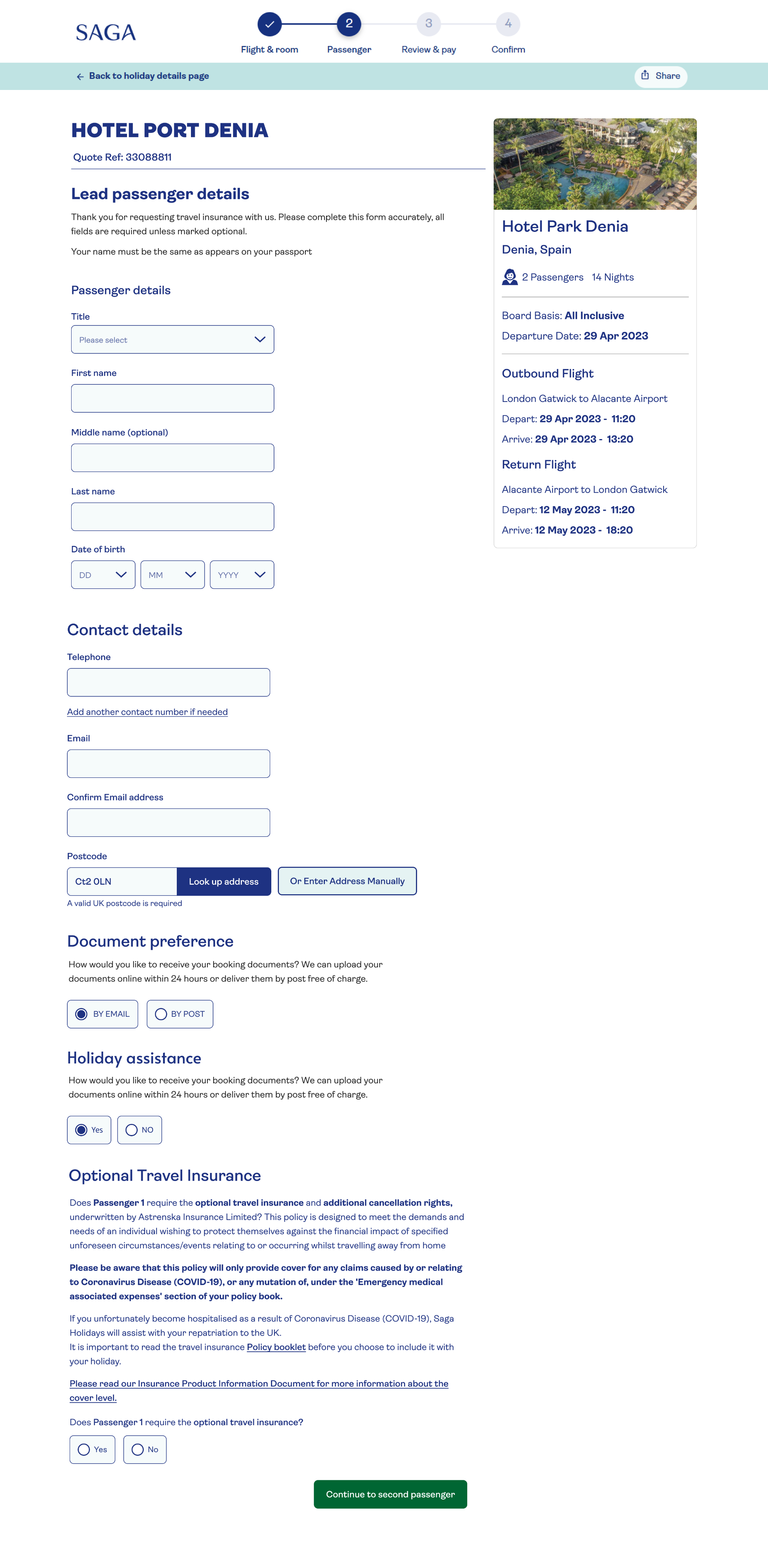
01 Variant

All form fields were displayed at once on page load.

  • Passenger Details
  • Assistance on Holiday
  • Travel Insurance

Hypothesis

Introducing progressive fields will increase Passenger Details completion, leading to higher progression to payment and improved revenue.

Reducing cognitive load by breaking the form into manageable sections will encourage users to complete the step and continue through the booking flow.

Quality Assurance

All tracking, layouts, and interactions were validated prior to launch.

Duration: Jan 08, 2026 – Feb 08, 2026

Page Tested: Passenger Details

Variants:

Control: Single-page form

Variant: Progressive form layout

Measures of Success

  • Passenger Details completion rate
  • Overall conversion rate by variant

Results & Outcome

The experiment did not reach statistical significance.

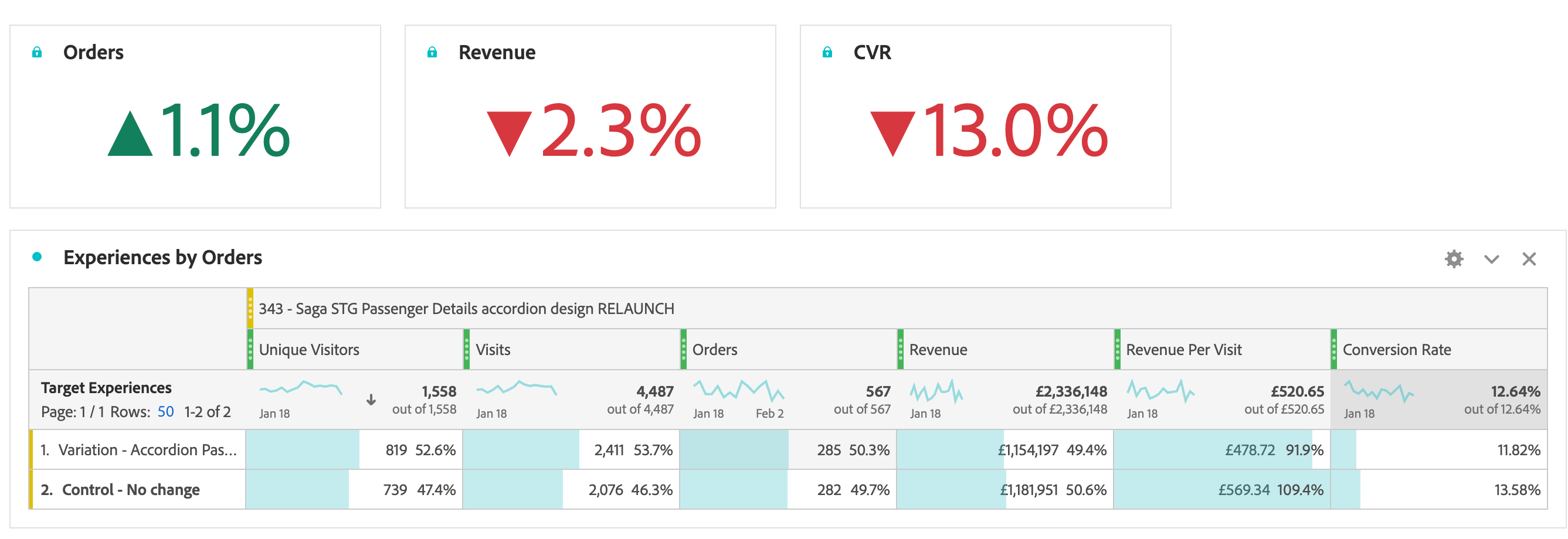
While the progressive fields variant showed a slight increase in orders (+1.1%), it underperformed against the control on key business metrics:

Conversion Rate: –13.0%

Revenue: –2.3%

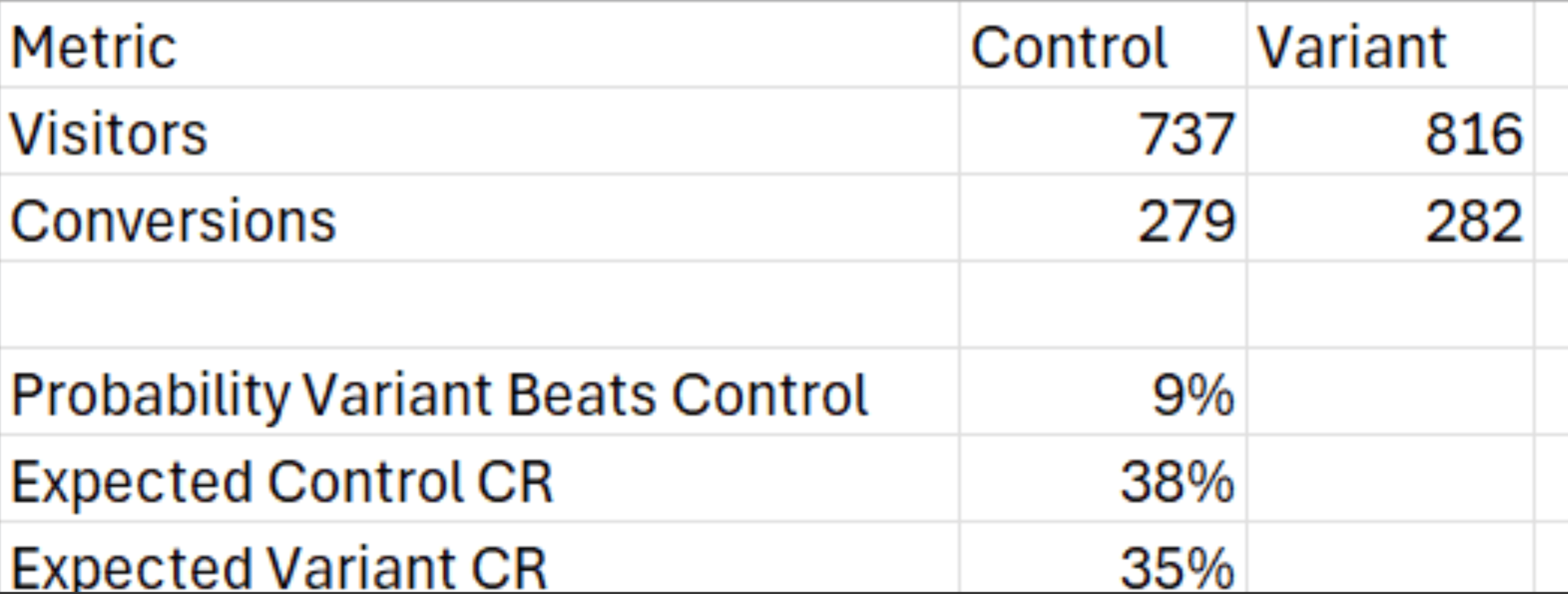
Probability of Variant Beating Control: 9%

Due to the low confidence level, the results were considered inconclusive, and no rollout decision was made.
Key Observations

  • Users exposed to the progressive form completed the step at a similar volume to the control, but converted at a lower overall rate.
  • Splitting the form into multiple sections may have introduced additional friction or perceived effort.

Back

Progressive vs static forms

Form Layout test

A portrait of you.

Context:

The Passenger Details page showed a 30% drop-off rate, indicating friction caused by a long, information-heavy form. To address this, I proposed a progressive disclosure approach to reduce cognitive load and improve completion.

Experiment Setup

The experiment was triggered when users landed on the Passenger Details page and were randomly assigned to either a control or variant experience.

00 Control

All form fields were displayed at once on page load.

01 Variant

All form fields were displayed at once on page load.

  • Passenger Details
  • Assistance on Holiday
  • Travel Insurance

Hypothesis

Introducing progressive fields will increase Passenger Details completion, leading to higher progression to payment and improved revenue.

Reducing cognitive load by breaking the form into manageable sections will encourage users to complete the step and continue through the booking flow.

Quality Assurance

All tracking, layouts, and interactions were validated prior to launch.

Duration: Jan 08, 2026 – Feb 08, 2026

Page Tested: Passenger Details

Variants:

Control: Single-page form

Variant: Progressive form layout

Measures of Success

  • Passenger Details completion rate
  • Overall conversion rate by variant

Results & Outcome

The experiment did not reach statistical significance.

While the progressive fields variant showed a slight increase in orders (+1.1%), it under performed against the control on key business metrics:

Conversion Rate: –13.0%

Revenue: –2.3%

Probability of Variant Beating Control: 9%

Due to the low confidence level, the results were considered inconclusive, and no roll out decision was made.

Key Observations

  • Users exposed to the progressive form completed the step at a similar volume to the control, but converted at a lower overall rate.
  • Splitting the form into multiple sections may have introduced additional friction or perceived effort.